




You’ve probably seen the headlines: “Federal Reserve Cuts Rates.” It sounds big, but what does it actually mean for your money, your mortgage, and the economy?
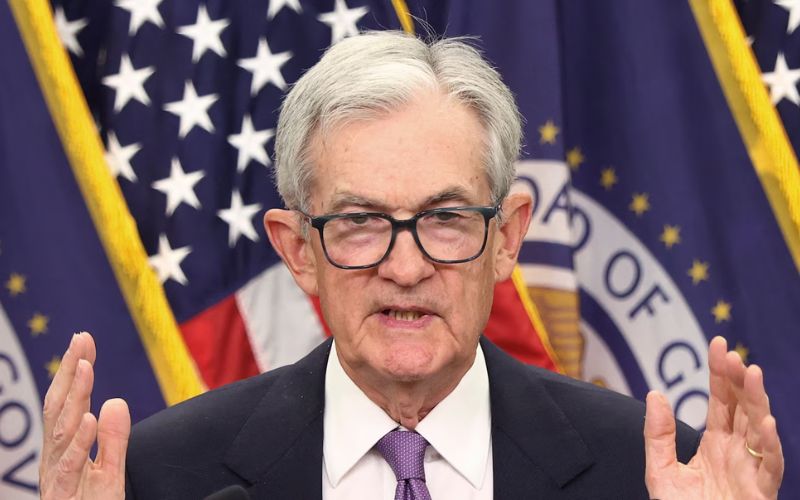
In October 2025, the Fed made its second rate cut of the year, lowering its key benchmark to a range of 3.75% – 4.00%. But Chairman Jerome Powell was quick to signal caution, stating that another cut in December is not a sure thing.
Let’s break down the why, the what, and the so what—translating the financial jargon into what this Fed rate cut truly means for you.
The Headline: What the Fed Just Did
- The Action: The Federal Reserve cut interest rates by 0.25% (25 basis points).
- The New Rate: The key benchmark rate is now 3.75% to 4.00%.
- The Context: This is the second rate cut of 2025, following a similar move earlier in the year.
- The Caveat: Powell warned that a December rate cut is not guaranteed, as economic uncertainty remains high.
Why Did the Fed Decide to Cut Rates Now?
The Fed is walking a tightrope. Here are the key reasons behind their decision:
- A Cooling Job Market: Recent data shows that job growth is slowing down. Companies are getting more cautious about hiring, and the Fed is paying attention.
- A Balancing Act with Inflation: While inflation is still above their ideal target, the Fed is starting to see the risks to economic growth and employment as a bigger threat.
- A “Data Blackout”: A recent U.S. government shutdown disrupted the collection of key economic data (like jobs and spending reports), leaving the Fed with less visibility. This made a cautious, pre-emptive cut a safer bet.
What This Fed Rate Cut Means for Your Wallet
This is the part that matters most. Here’s how the October 2025 Fed decision could impact your finances:
📈 For Investors & The Stock Market
- Stocks: Typically, lower interest rates are good for stocks, especially for tech and other growth companies. However, Powell’s cautious tone may lead to some short-term volatility. Don’t expect a straight shot up.
- Bonds: The situation is mixed. Short-term bond yields may fall, but concerns about inflation and future cuts could keep long-term yields higher for now.
🏠 For Borrowers & Homebuyers
- Mortgage Rates: This is big news if you’re looking to buy or refinance. We will likely see a gradual easing of mortgage and auto loan rates. However, if you have an existing fixed-rate mortgage, your payment won’t change.
- Credit Cards & Variable Loans: If you carry a credit card balance or have a home equity line of credit (HELOC), you could see your interest rates tick downward soon, as these often follow the Fed’s lead.
Important Note: The Fed is signaling that this is a cautious adjustment, not the start of a dramatic rate-slashing cycle. Don’t expect borrowing costs to plummet overnight.
🌍 For the Global Economy & India
- A Boost for Emerging Markets: A U.S. rate cut often weakens the dollar, which is generally positive for emerging markets like India. It can lead to more foreign investment flowing into Indian stocks and bonds.
- Currency & Inflation: A weaker dollar can help stabilize the Indian Rupee and give the Reserve Bank of India more room to manage its own interest rates without worrying about currency volatility.
Your Financial Playbook: What to Do Now
- If You’re Looking to Borrow: This is a good signal. Keep an eye on mortgage and personal loan rates, as they may become more favorable. It’s a good time to shop around.
- If You’re an Investor: Stay disciplined. While the cut provides support, the market’s future hinges on incoming data. Avoid making impulsive decisions based on headlines.
- For Everyone: Keep a close watch on key economic reports like the monthly jobs report and CPI inflation data. These numbers will directly influence the Fed’s next move in December.
The Bottom Line: Cautious Support
The Federal Reserve’s October 2025 rate cut is a clear sign that they are trying to carefully support a softening economy without reigniting inflation. For you, it means a slightly more borrower-friendly environment and potential support for your investments.
But with Powell’s “wait-and-see” approach, the best strategy is to stay informed, avoid drastic financial moves, and keep a long-term perspective.
Think of this not as a green light for a spending spree, but as a gentle tailwind for your financial plans.

Leave a Reply